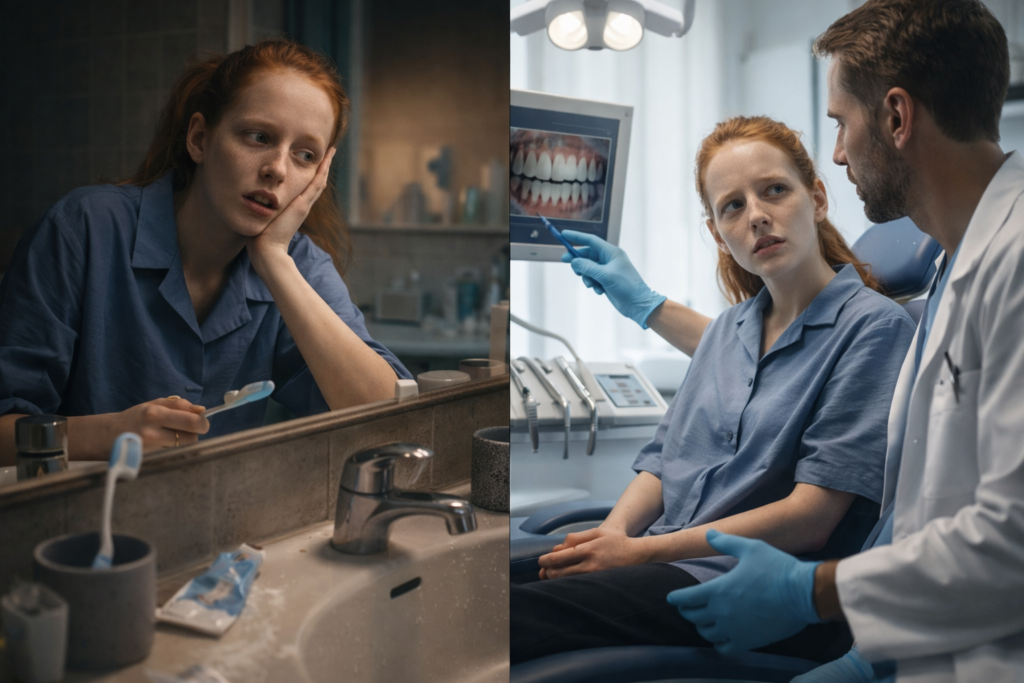
I used to think of dental care as something optional—important, sure, but not urgent.
There was always something else that felt more pressing. School deadlines, hanging out with friends, scrolling endlessly on my phone late into the night. Brushing my teeth became a rushed routine, something I did half-asleep. Flossing felt like a chore I could skip “just this once,” which somehow turned into most days.
And going to the dentist? That was easy to postpone. There was always a reason: too busy, too tired, maybe next month.
What I didn’t realize at the time was that every delay came with a cost. Not always immediate, not always obvious—but very real.
The Cost You Don’t See at First
At the beginning, ignoring dental care doesn’t feel expensive at all.
In fact, it feels like you’re saving time and effort. You skip a step here, delay an appointment there, and nothing bad seems to happen right away. Your teeth still look fine. You can still eat normally. Life goes on.
That’s what makes it so easy to keep going.
But beneath the surface, things start to change.
Plaque builds up quietly. Tiny areas of decay begin to form. Your gums may start to get irritated, but not enough to cause real pain. It’s like a slow leak—you don’t notice the damage until it’s already spread.
I remember thinking, If something were really wrong, I’d feel it.
But that’s not how it works.
When Small Problems Turn Into Big Ones
The first real sign for me wasn’t dramatic.
It was sensitivity.
Cold drinks started to feel sharper, like a quick sting that disappeared just as fast. I ignored it. It wasn’t constant, so it didn’t feel serious.
But over time, that sharp feeling came more often—and lasted longer.
That’s the thing about dental issues: they grow. A small cavity doesn’t stay small. Without treatment, it gets deeper, reaching layers of the tooth that are more sensitive and more vulnerable.
And once it gets there, the “cost” starts to rise.
What could have been a simple filling turns into something more complicated. More time in the chair. More discomfort. More money.
All because of something that once felt too minor to deal with.
The Financial Reality
No one really talks about how expensive it can get.
Routine dental care—cleanings, check-ups, basic treatments—is relatively manageable. But when problems are ignored, the cost increases fast.
Fillings can turn into root canals. Root canals can turn into crowns. In worst cases, teeth may need to be removed and replaced, which is even more costly and complex.
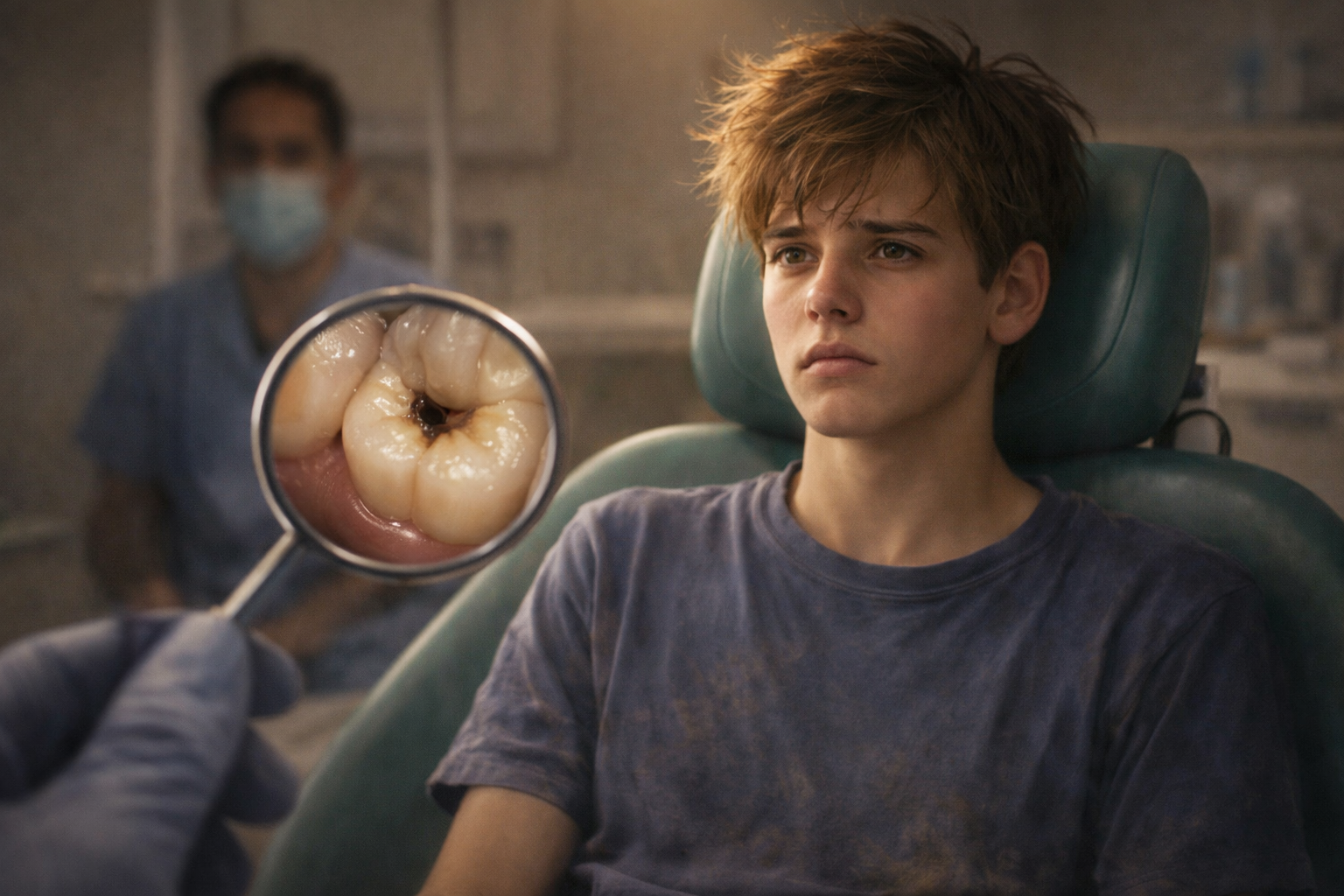
I remember sitting in a dental chair, listening as the dentist explained what needed to be done. Each step sounded heavier than the last—not just in terms of the procedure, but the price.
And all I could think was: This could have been avoided.
It’s a hard lesson to learn, especially when the solution was something as simple as consistency.
The Emotional Cost
But the real cost isn’t just financial.
There’s also the emotional side—the part that affects how you feel every day.
When your oral health starts to decline, it changes how you interact with the world. You might become more self-conscious about your smile. You might hesitate before laughing or speaking too closely to someone.
I remember covering my mouth when I laughed, something I had never done before. It wasn’t a conscious decision—it just happened.
There’s a quiet kind of stress that comes with it. A constant awareness that something isn’t quite right, even if no one else says anything.
And over time, that feeling builds.
The Impact on Daily Life
Ignoring dental care doesn’t just stay in the background—it eventually interrupts your daily life.
Eating becomes different. Foods you once enjoyed might become uncomfortable to chew. You start avoiding certain textures or temperatures without even realizing it.
Sleep can be affected too. Tooth pain has a way of becoming more noticeable at night, when everything is quiet and there are no distractions.
Even focusing on school or daily tasks can become harder when there’s a persistent discomfort you can’t ignore.
It’s strange how something so small—like a tooth—can have such a big impact on your overall quality of life.
Why We Put It Off
Looking back, I tried to understand why I ignored something so important.
Part of it was habit. It’s easy to fall into routines that don’t prioritize long-term health. When nothing feels wrong, it’s hard to convince yourself that something needs attention.
Part of it was avoidance. Dental visits can feel uncomfortable or even a little scary. The idea of hearing bad news can make you want to delay the appointment altogether.
And part of it was simply not understanding the consequences.
No one really explains how quickly things can escalate—or how preventable most dental problems actually are.
The Turning Point
For me, the turning point came when ignoring it was no longer an option.
The discomfort became too noticeable. The small signs I had dismissed turned into something I couldn’t brush off—literally.
I finally went to the dentist, expecting the worst.
And while it wasn’t as bad as I feared, it was enough to make me rethink everything.
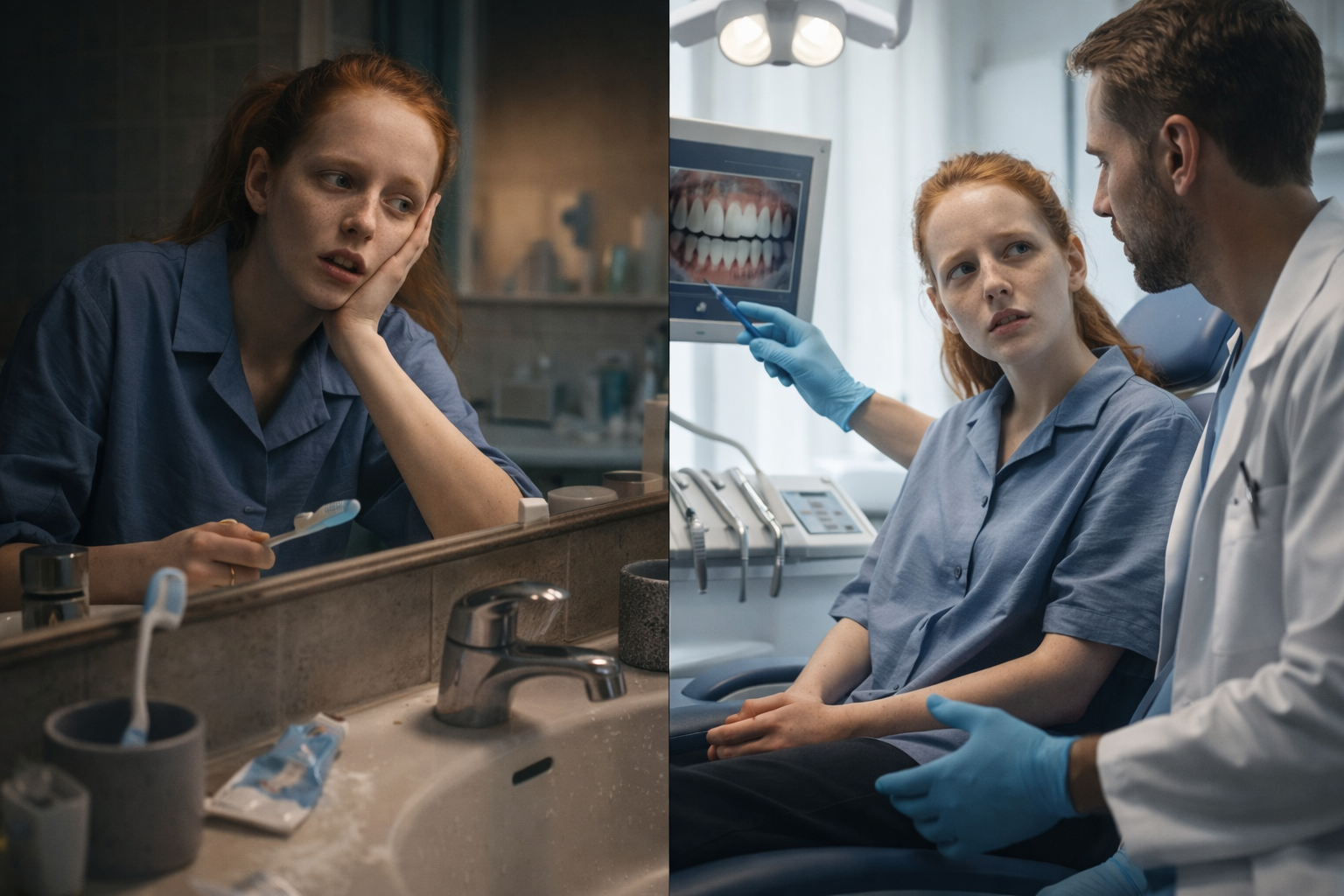
The dentist didn’t just treat the problem—they explained it. They showed me how small habits, repeated over time, had led to where I was.
But more importantly, they showed me that it could be fixed—and prevented.
Rebuilding Better Habits
Change didn’t happen overnight.
At first, it felt like effort. Being more mindful when brushing, making flossing a daily routine, actually keeping dental appointments instead of postponing them.
But slowly, it became normal.
And with that, things started to improve.
My teeth felt cleaner. My gums felt healthier. That background worry I didn’t even realize I carried started to fade.
It wasn’t just about fixing what was wrong—it was about building something better moving forward.
What It Really Costs
When you ignore dental care, the cost isn’t just measured in money or time.
It’s measured in missed confidence, in daily discomfort, in preventable stress.
It’s in the moments where you hesitate to smile, or avoid certain foods, or worry about something that could have been easily managed earlier.
And the truth is, most of these costs are avoidable.
A Simple Investment
Taking care of your teeth doesn’t require anything extreme.
It’s about consistency. Brushing properly, flossing regularly, and not skipping those routine check-ups.
These small actions might not feel significant in the moment, but over time, they make all the difference.
They save you from bigger problems, bigger expenses, and bigger worries.
A Lesson That Stays With You
If there’s one thing I’ve learned, it’s this:
Ignoring dental care doesn’t make the problem go away—it just delays the moment you have to face it, often at a higher cost.
But the good news is, it’s never too late to start doing better.
Every time you choose to take care of your teeth, you’re choosing to avoid those hidden costs. You’re choosing comfort, confidence, and long-term health.
And that’s an investment that always pays off.