
I didn’t notice it all at once.
At first, it was just something subtle—something easy to ignore. A slightly dull shade when I caught my reflection under bright bathroom lights. A moment of hesitation before smiling in photos. It wasn’t dramatic. It wasn’t sudden. It was gradual, quiet… almost uninvited.
But once I saw it, I couldn’t unsee it.
My teeth weren’t as white as they used to be.
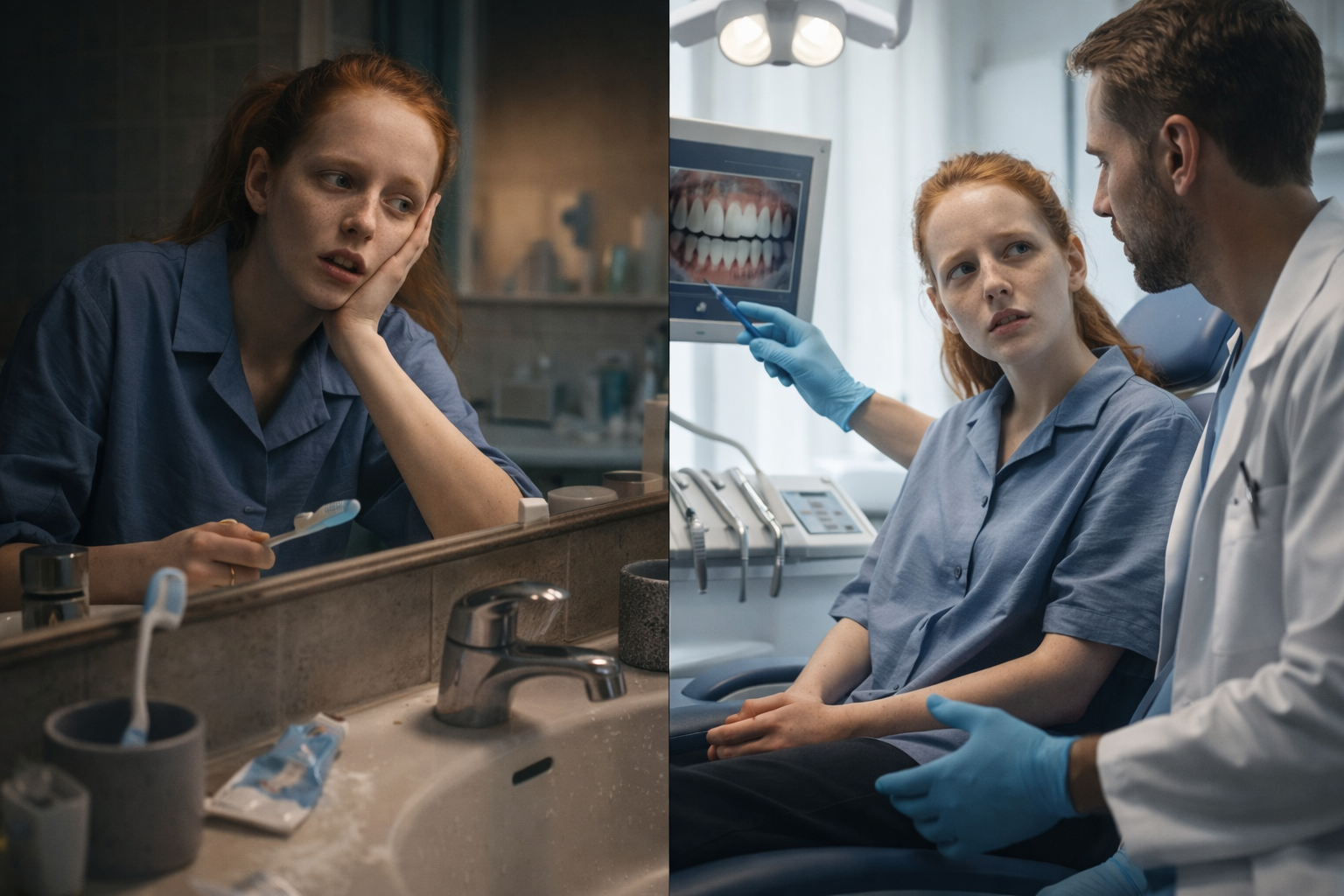
I remember standing in front of the mirror one morning, tilting my head slightly, wondering when the change had happened. I brushed regularly, or at least I thought I did enough. So what went wrong?
That question stayed with me longer than I expected. And the more I looked into it, the more I realized something surprising: yellow teeth aren’t always about “bad habits” alone. The causes run deeper—some obvious, some hidden, and some completely out of our control.
It Begins with What We Consume
The first place I had to look was my daily routine—especially what I ate and drank.
Coffee was my weakness. It wasn’t just a drink; it was part of how I started my day. One cup turned into two, sometimes three, especially during long or stressful days. I never thought much about it until I learned how deeply pigmented drinks can affect tooth color.
Beverages like coffee, tea, red wine, and even certain sodas contain chromogens—compounds that cling to tooth enamel and leave stains behind. Over time, these stains build up, slowly shifting the color of your teeth from bright white to a dull yellow.
And it’s not just drinks.
Foods like berries, tomato sauce, soy sauce, and even curry can contribute to staining. They’re delicious, yes—but they leave traces behind, especially if oral hygiene isn’t consistent.
Looking back, I realized it wasn’t one single thing—it was a pattern. Small choices, repeated every day.
The Role of Enamel: What You Don’t See Matters
What surprised me most was learning about enamel.
Enamel is the outer layer of your teeth—the part that’s supposed to protect them and keep them looking white. But it’s not indestructible. Over time, it wears down.
And underneath enamel lies dentin, which naturally has a yellowish tone.
So when enamel thins—whether from aging, diet, or brushing too aggressively—the yellow color underneath becomes more visible. It’s not always about staining on the surface. Sometimes, it’s about what’s showing through.
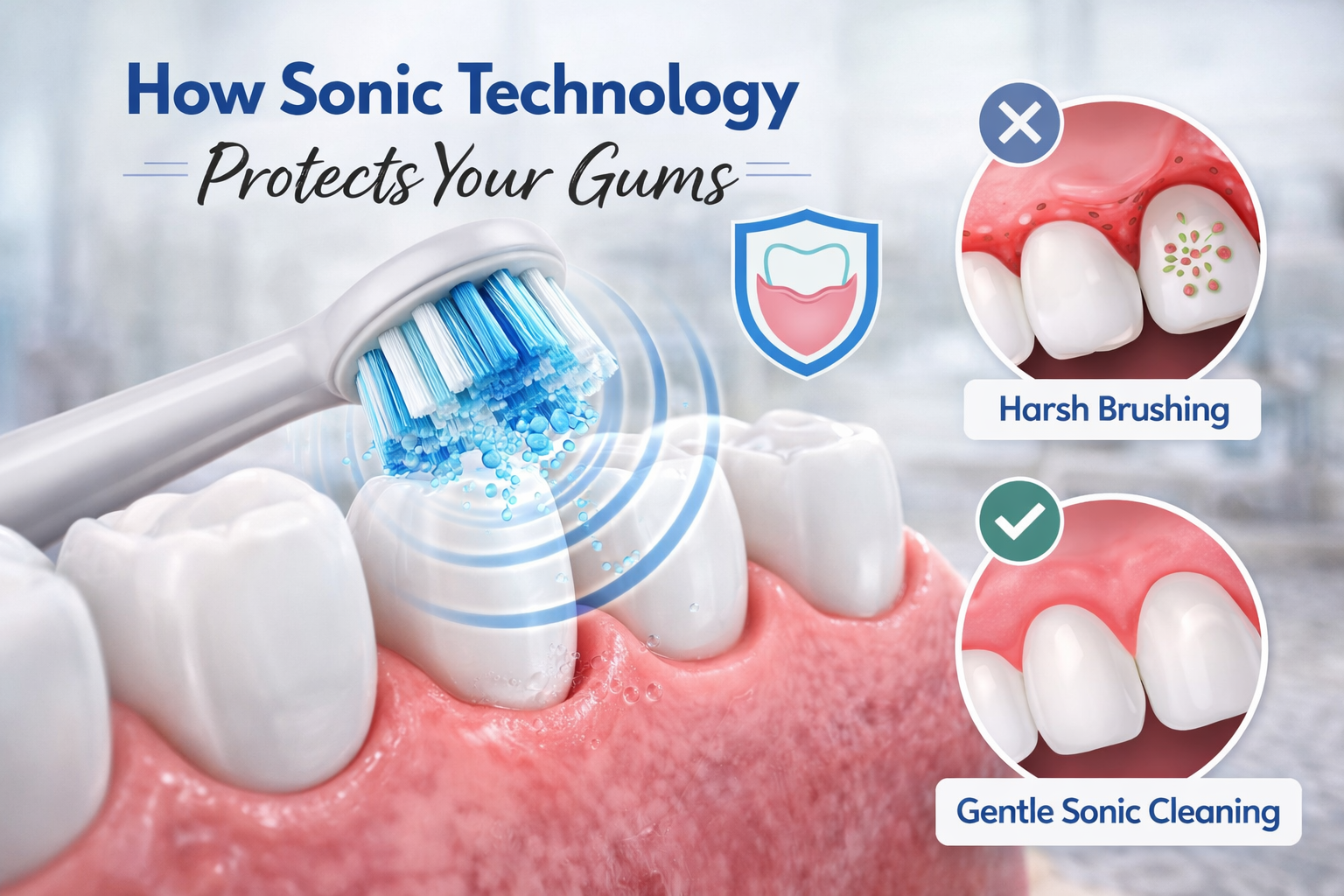
I used to brush harder, thinking it would make my teeth cleaner. But in reality, brushing too aggressively can wear down enamel faster, doing the opposite of what you intend.
That realization changed how I approached something as simple as brushing.
Smoking and Tobacco: A Stain That Stays
Although I never picked up the habit myself, I’ve seen the effects of smoking on people around me.
Tobacco contains tar and nicotine—two substances known for causing stubborn stains. Over time, they can turn teeth not just yellow, but even brownish in severe cases.
What makes it worse is how deeply these stains can penetrate. They’re not easy to remove with regular brushing. Even professional cleaning can only do so much if the habit continues.
It’s one of those causes that doesn’t just affect appearance—it affects overall oral health in much more serious ways.
The Impact of Poor Oral Hygiene
This one is the most straightforward—and the easiest to underestimate.
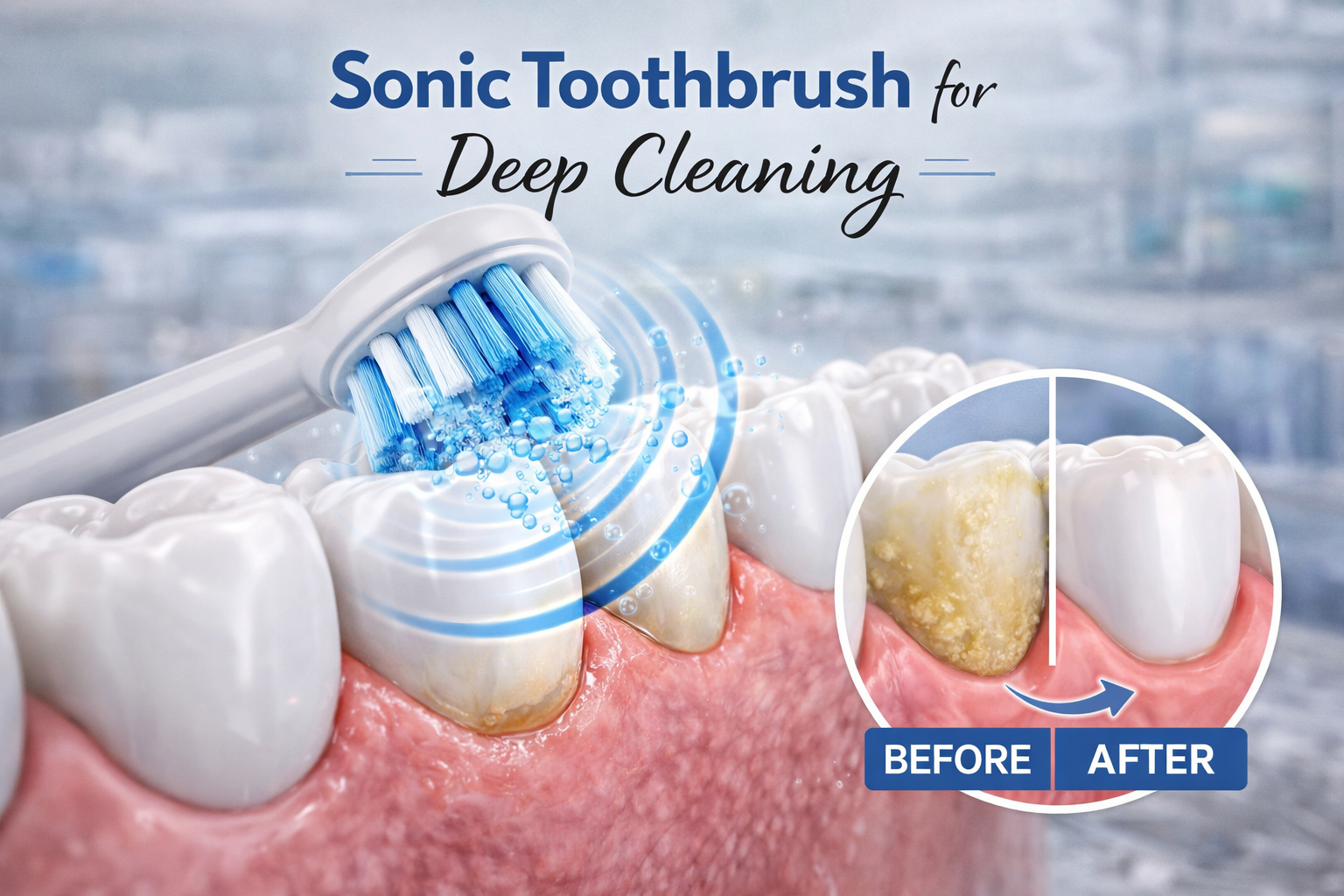
When brushing and flossing aren’t done properly or consistently, plaque builds up on the teeth. If it’s not removed, it hardens into tartar, which has a yellow or even brownish appearance.
I used to think brushing once quickly at night was enough. Flossing felt optional. Mouthwash felt like an extra step I could skip.
But plaque doesn’t skip days.
It builds quietly, layer by layer, affecting not just the health of your teeth and gums, but also their color.
Once tartar forms, it can’t be removed at home. It requires professional cleaning. And by that point, the discoloration is much more noticeable.
Aging: A Natural but Inevitable Factor
This was one of the more difficult things to accept.
Even with perfect habits, teeth naturally become more yellow over time.
As we age, enamel gradually wears down, and dentin becomes more prominent. It’s a slow process, but it’s unavoidable. No matter how well you take care of your teeth, time still leaves its mark.
But here’s the difference: good habits can slow the process. They can’t stop it entirely, but they can make a noticeable difference in how your teeth look over the years.
Medications and Hidden Causes
There are also causes that many people don’t expect.
Certain medications—especially when taken at a young age—can affect tooth color. Antibiotics like tetracycline, for example, are known to cause intrinsic staining, which means the discoloration comes from within the tooth.
Even some mouth rinses, particularly those containing chlorhexidine, can cause staining if used for extended periods.
And then there are medical conditions that affect enamel development, making teeth more prone to discoloration from the start.
These aren’t things you can control easily, which makes them all the more frustrating.
The Emotional Side of Yellow Teeth
What I didn’t expect was how much it would affect how I felt.
Yellow teeth aren’t just a cosmetic issue. They can influence how you see yourself—and how you think others see you.
I found myself smiling less in photos. I became more aware of how I spoke, how close I stood to people, how often I laughed openly. It wasn’t something anyone pointed out directly, but it was something I felt.
And that feeling matters.
Because confidence isn’t just about how you look—it’s about how comfortable you feel being yourself.
The Turning Point
At some point, I stopped asking, “Why is this happening?” and started asking, “What can I do about it?”
The answer wasn’t a single solution—it was a combination of small changes.
I cut back on staining drinks, or at least rinsed my mouth after having them. I paid more attention to how I brushed—using a softer technique instead of scrubbing harshly. I started flossing more consistently, even when it felt like a chore.
And eventually, I went for a professional cleaning.
The difference wasn’t instant or dramatic, but it was real.
My teeth looked brighter. Not perfectly white—but healthier. And somehow, that felt even better.
A Different Way to Look at It
If there’s one thing I’ve learned, it’s this: yellow teeth aren’t always a sign of neglect.
Sometimes, they’re the result of habits we don’t think twice about. Sometimes, they’re influenced by factors we can’t control. And sometimes, they’re just part of being human.
But that doesn’t mean there’s nothing you can do.
Understanding the causes is the first step. From there, it’s about making small, consistent choices that support your oral health—not out of pressure, but out of care for yourself.
In the End
I still look in the mirror sometimes and notice imperfections.
But now, I see them differently.
Instead of asking when things went wrong, I think about how small habits shape long-term results. I think about the quiet impact of daily choices. And I remind myself that change doesn’t happen overnight—but it does happen.
So if you’ve ever wondered why your teeth look a little more yellow than before, you’re not alone.
And more importantly—you’re not stuck that way.
Sometimes, all it takes is awareness… and a willingness to start, one small habit at a time.