I still remember the faint smell of mint that filled the small dental clinic the first time I truly understood what “oral care” meant. It wasn’t just about brushing twice a day because someone told me to—it was about building a quiet, consistent relationship with my own health. Dentists, I’ve come to realize over the years, aren’t just there to fix problems. They’re storytellers in their own way, warning us about what could happen, guiding us toward better habits, and reminding us that prevention is always kinder than cure.
As I sat in that chair, staring at the bright overhead light, my dentist began to explain something simple that I had somehow overlooked: brushing your teeth isn’t just a task—it’s a technique. That day marked the beginning of how I approached my daily oral care routine.
The Art of Brushing: More Than Just Motion
For the longest time, I thought brushing meant scrubbing as hard and fast as possible, as if I were trying to erase something stubborn. But my dentist gently corrected me. “Your teeth aren’t tiles,” he said with a small smile. “They need care, not force.”
He showed me how to hold the toothbrush at a 45-degree angle, letting the bristles gently reach the gum line. Small, circular motions—nothing aggressive. It felt almost too soft at first, like I wasn’t doing enough. But that was the point. Effective brushing isn’t about intensity; it’s about consistency and precision.
Two minutes. That’s all it takes, yet it can feel surprisingly long if you’re not used to it. I started timing myself, sometimes using music as a guide. Over time, those two minutes became a small pause in my day—a moment to slow down.
Flossing: The Habit I Avoided the Longest
If I’m being honest, flossing was the habit I resisted the most. It felt tedious, unnecessary even. “I brush well,” I used to tell myself. “That should be enough.”
But dentists often compare brushing without flossing to cleaning only 70% of a surface. The spaces between your teeth are where food particles and plaque love to hide, untouched by even the best toothbrush.
The first time I committed to flossing daily, my gums bled. I panicked, thinking I had done something wrong. But my dentist reassured me: “That’s your gums telling you they need more attention, not less.”
Within a week, the bleeding stopped. Within a month, flossing became almost automatic. It’s funny how something that once felt like a chore can become a quiet ritual—almost satisfying in its own way.
Mouthwash: The Supporting Role
Mouthwash used to feel optional, like an extra step for people who had more time than I did. But I began to see it differently—not as a replacement for brushing or flossing, but as a supporting character in the story of oral care.
Dentists often recommend using an alcohol-free mouthwash, especially for daily use. It helps reduce bacteria, freshens breath, and reaches areas that brushing and flossing might miss. I started using it at night, after brushing and flossing, as a final step.
There’s something oddly calming about it—the cool sensation, the clean feeling that lingers. It’s like closing a chapter at the end of the day.
Diet: The Hidden Influence
One thing that surprised me most was how much my diet affected my teeth. It wasn’t just about avoiding candy or sugary drinks—though that certainly helps. It was about understanding how often I exposed my teeth to sugar and acid.
“Your teeth don’t get a break if you’re constantly snacking,” my dentist once told me.
That idea stuck with me. I began to notice how often I reached for small bites throughout the day—cookies, soda, even fruit juices. Each time, my teeth were being exposed to acids that slowly wore down enamel.
I didn’t cut everything out. Instead, I became more mindful. Drinking water after meals, limiting sugary snacks, and choosing healthier options made a noticeable difference. Cheese, nuts, and crunchy vegetables became small allies in my routine.
Regular Check-Ups: Conversations, Not Just Appointments
For a while, I only went to the dentist when something felt wrong. A sharp pain, a lingering sensitivity—those were the triggers. But over time, I learned that regular check-ups aren’t just about fixing problems. They’re about catching them before they start.
Every six months, I sit in that familiar chair again. The same bright light, the same faint minty smell. But now, it feels different. It feels proactive.
Dentists don’t just clean your teeth—they notice patterns. They see early signs of gum disease, enamel wear, or habits like grinding. These small observations can make a big difference in the long run.
And sometimes, those visits turn into conversations. About stress, about habits, about small changes that can improve not just oral health, but overall well-being.
The Emotional Side of Oral Care
What I didn’t expect when I started taking oral care seriously was how it would affect my confidence.
There’s a quiet assurance that comes with knowing your breath is fresh, your smile is clean, and your teeth are healthy. It changes how you speak, how you laugh, even how you interact with others.
I remember a time when I used to cover my mouth when I laughed. It wasn’t something I consciously thought about—it was just a habit. But as my oral health improved, that habit slowly faded away.
It’s strange how something as simple as brushing and flossing can influence how you carry yourself in the world.
Building a Routine That Lasts
If there’s one thing I’ve learned from dentists over the years, it’s this: perfection isn’t the goal—consistency is.
You don’t need the most expensive toothbrush or the trendiest products. What matters is showing up every day, even when you’re tired, even when you don’t feel like it.
Start small:
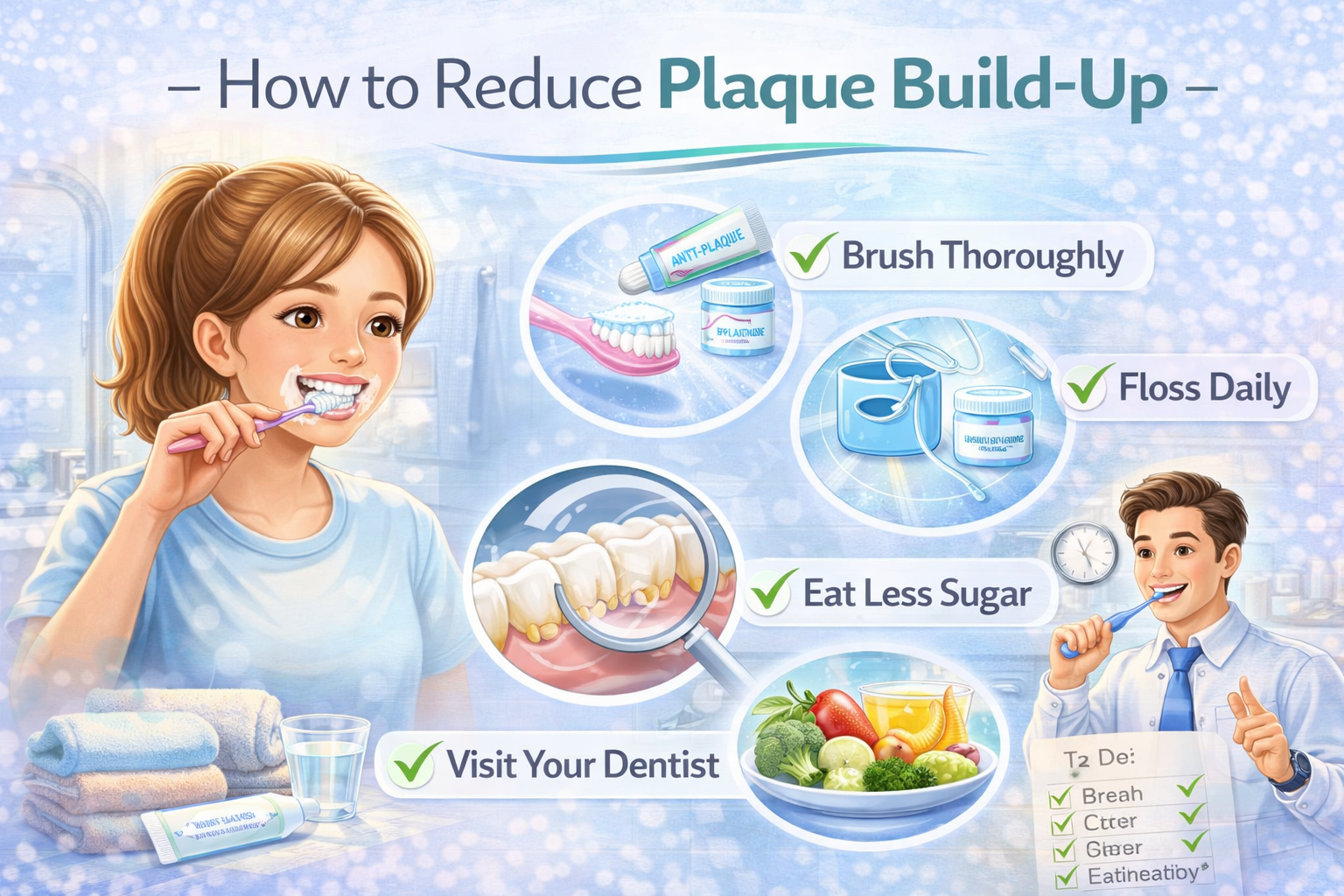
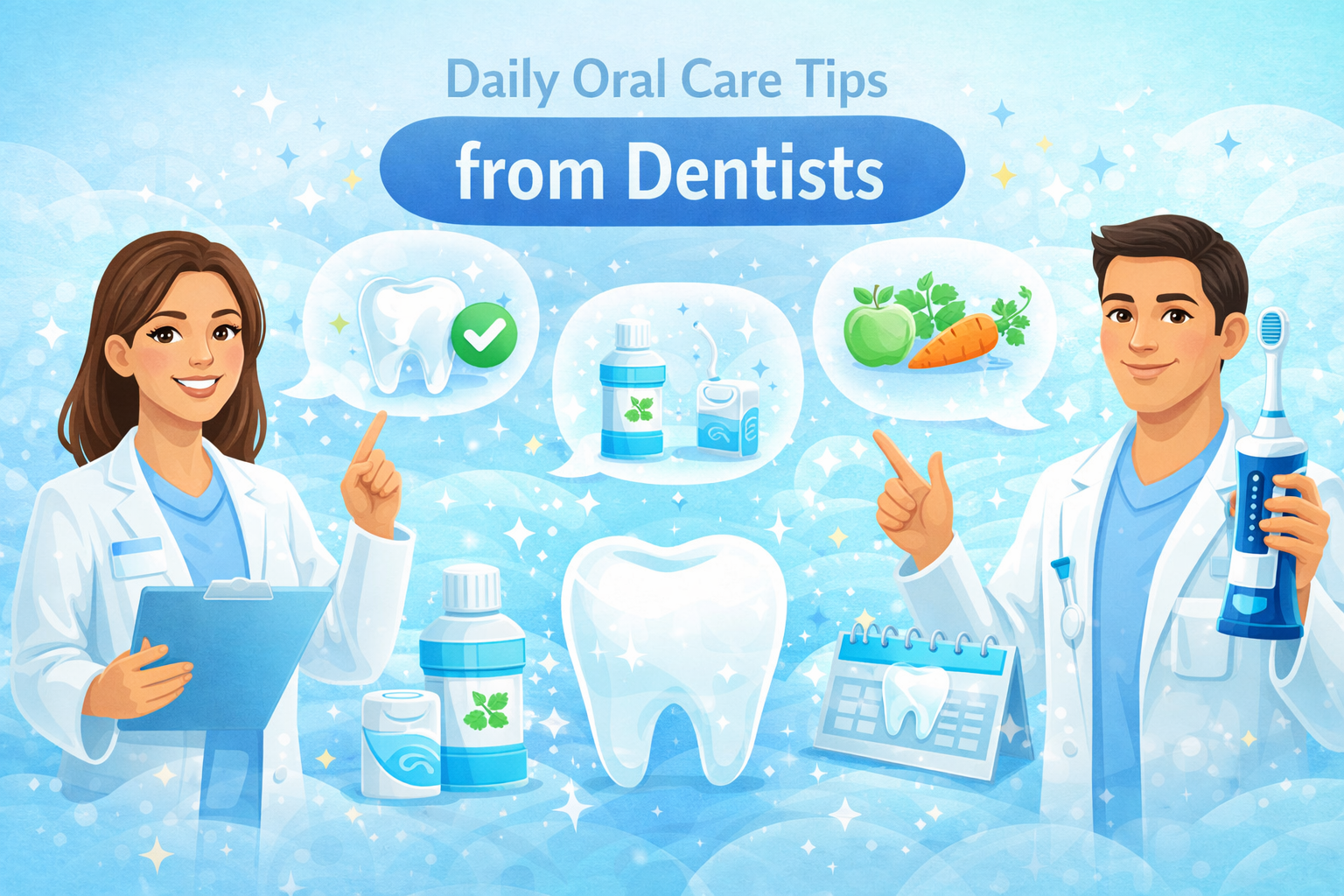
- Brush twice a day, properly.
- Floss once a day.
- Use mouthwash if it fits your routine.
- Be mindful of what you eat.
- Visit your dentist regularly.
These steps might seem simple, almost obvious. But their impact builds over time, quietly shaping your health in ways you might not notice immediately.
A Personal Reflection
Looking back, I realize that oral care became more than just a routine—it became a form of self-respect.
Each time I brush my teeth at night, it feels like I’m closing the day with intention. Each time I floss, it’s a reminder that small efforts matter. Each dental visit is a checkpoint, a moment to reflect on how well I’ve taken care of myself.
Dentists often say, “Take care of your teeth, and they’ll take care of you.” It sounds simple, almost cliché. But there’s truth in it.
Your smile carries your stories—your laughter, your words, your expressions. Taking care of it isn’t just about avoiding cavities or gum disease. It’s about preserving a part of yourself that connects you to others.
Final Thoughts
If I could go back and tell my younger self one thing, it would be this: don’t wait for pain to start caring.
Oral health isn’t something that demands attention loudly—at least not at first. It’s quiet, gradual, easy to overlook. But with a little effort each day, it becomes something you can rely on.
So tonight, when you pick up your toothbrush, take a moment. Not just to clean your teeth, but to appreciate the small act of care you’re giving yourself.
Because in the end, it’s these small, consistent habits that shape not just your smile—but your confidence, your health, and your everyday life.