I didn’t always think much about my teeth.
Growing up, brushing felt like a chore—something my parents reminded me to do before school and again before bed. I never questioned why it mattered so much. It was just routine, like tying my shoes or packing my bag. But as I got older, life became busier, and those small habits started slipping. Late nights, early mornings, quick meals on the go—somehow, dental care became less of a priority.
At first, nothing seemed wrong. My teeth looked fine, and I didn’t feel any pain. It’s easy to assume that if nothing hurts, everything must be okay. But that assumption didn’t last forever.
One afternoon, I noticed a slight sensitivity while drinking something cold. It wasn’t unbearable—just a quick, sharp feeling that disappeared almost instantly. I ignored it. Days turned into weeks, and the sensitivity became more frequent. Eventually, it wasn’t just cold drinks. Even sweets started to trigger discomfort.
That was the moment I realized something wasn’t right.
Reluctantly, I scheduled a dental appointment. Sitting in that chair, under the bright light, I felt a mix of anxiety and regret. The dentist was calm and kind, but the message was clear: small habits, when neglected, can lead to bigger problems. What could have been prevented with consistent care had now turned into something that required treatment.
That experience changed how I saw dental care—not as an obligation, but as an investment in my overall well-being.
Small Habits, Big Impact
One of the most surprising things I learned is how much power small, consistent actions hold. Brushing your teeth twice a day doesn’t take long. Flossing might feel tedious. Regular check-ups can seem unnecessary when everything feels fine.
But these small habits work quietly in the background, preventing problems before they start.
Think of it like maintaining a garden. If you water the plants regularly, remove weeds, and pay attention to the soil, everything grows naturally and stays healthy. But if you ignore it for too long, even a once-beautiful garden can become difficult to restore.
Your oral health works the same way.
Plaque builds up every day, even if you can’t see it. Bacteria thrive in places your toothbrush might miss. Over time, these small accumulations can lead to cavities, gum disease, and other issues. Consistent dental care keeps everything in balance, stopping problems before they have a chance to grow.
More Than Just a Smile
Before my experience, I thought dental care was mostly about appearance. A bright smile, fresh breath—those were the obvious benefits. But I didn’t realize how deeply oral health is connected to overall health.
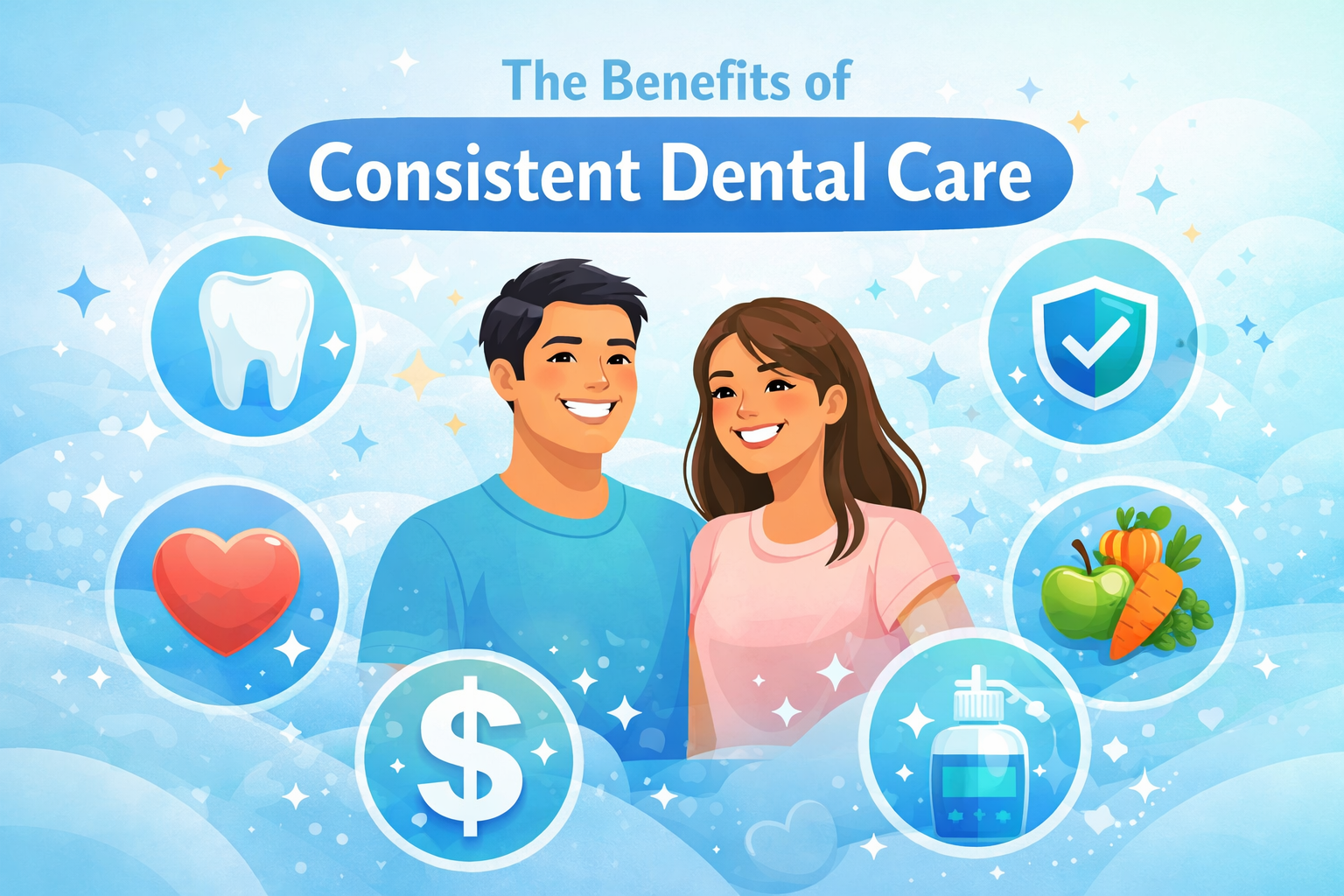
Your mouth is one of the main entry points to your body. When it’s not properly cared for, harmful bacteria can spread beyond your teeth and gums. Studies have shown links between poor oral health and conditions like heart disease and diabetes.
That realization was eye-opening.
Taking care of your teeth isn’t just about looking good in photos. It’s about protecting your body as a whole. It’s about reducing risks you might not even be aware of.
And in a way, it’s also about confidence.
There’s something powerful about knowing you can smile without hesitation. When you’re not worried about bad breath or discomfort, you carry yourself differently. You speak more freely. You laugh without holding back.
That kind of confidence doesn’t come from expensive treatments—it comes from consistent care over time.
The Role of Routine
After my dental visit, I made a decision to change my habits—not drastically, but intentionally.
I started setting reminders to brush my teeth properly, not just quickly. I began flossing regularly, even on days when I felt tired. At first, it felt like effort. But over time, it became automatic.
That’s the thing about routines—they shape your life in ways you don’t immediately notice.
A good dental routine doesn’t have to be complicated. It’s about consistency more than perfection. Even on busy days, doing the basics can make a significant difference.
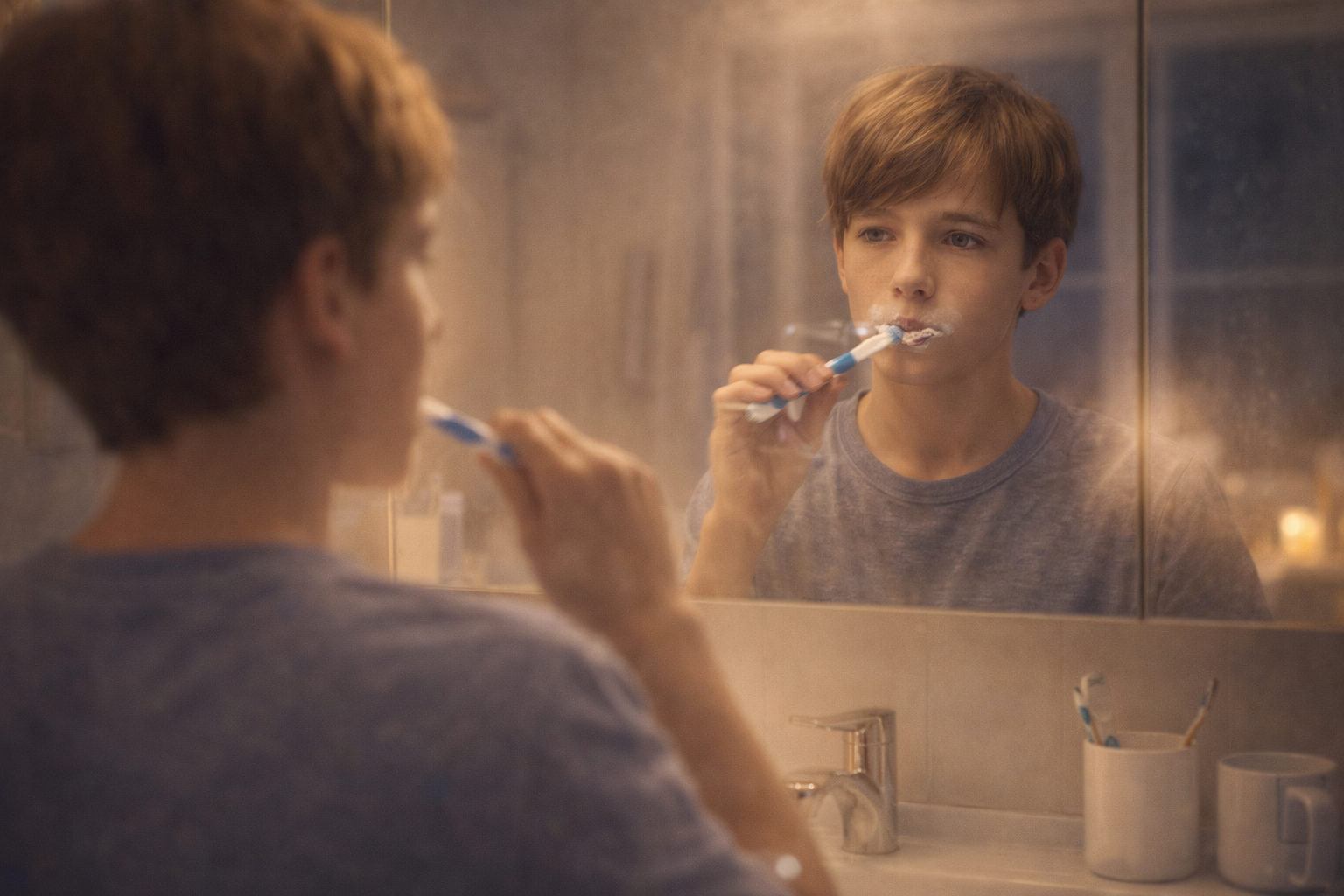
Morning brushing helps start your day fresh. Night brushing is even more important, as it removes everything that has built up throughout the day. Flossing reaches areas your toothbrush can’t. And regular dental visits ensure that any hidden issues are caught early.
These actions might seem simple, but together, they create a strong foundation for long-term health.
Facing the Fear of the Dentist
Let’s be honest—many people avoid the dentist.
I used to be one of them.
There’s something intimidating about dental visits. The sounds, the tools, the uncertainty—it can all feel overwhelming. But avoiding the dentist doesn’t make problems disappear. In fact, it often makes them worse.
What I learned is that regular check-ups are usually quick and manageable. It’s when issues are ignored that treatments become more complicated.
Dentists aren’t there to judge you. They’re there to help you.
Once I shifted my mindset, dental visits became less stressful. Instead of seeing them as something to fear, I started seeing them as a way to stay ahead of potential problems.
Saving Time, Money, and Stress
One of the most practical benefits of consistent dental care is something we don’t often think about: prevention saves resources.
Treating dental problems can be expensive and time-consuming. Fillings, root canals, and other procedures require not only money but also multiple visits and recovery time.
On the other hand, preventive care is relatively simple and affordable.
By maintaining good habits and attending regular check-ups, you reduce the likelihood of needing major treatments. In the long run, this saves you time, money, and unnecessary stress.
It’s a classic case of “a little effort now prevents a lot of trouble later.”
Building a Lifelong Habit
Looking back, I realize that dental care isn’t something you “fix” once and forget about. It’s a lifelong commitment.
The habits you build today will affect you years down the line.
For younger people, it might not seem urgent. Teeth feel strong, and problems seem far away. But the truth is, the earlier you build consistent habits, the easier it becomes to maintain them.
For adults, it’s never too late to start. Even if you’ve neglected dental care in the past, making small changes now can still have a significant impact.
It’s not about being perfect. It’s about being consistent.
A Simple Lesson That Stays With Me
That small moment of sensitivity—the one I almost ignored—ended up teaching me something important.
Health isn’t always about big, dramatic changes. Often, it’s about the small things we do every day.
Brushing your teeth.
Flossing.
Showing up for your appointments.
These actions might seem minor, but over time, they shape your health, your confidence, and your quality of life.
Now, when I brush my teeth at night, I don’t see it as a chore anymore. It’s a quiet reminder that taking care of yourself doesn’t have to be complicated—it just has to be consistent.
And sometimes, the simplest habits are the ones that make the biggest difference.