I didn’t think much about my toothbrush growing up. It was just… there. A simple object sitting in a cup by the sink, replaced only when the bristles looked like they had been through a storm. If you had asked me back then what kind of toothbrush I used, I probably would have shrugged and said, “A normal one.” To me, a toothbrush was a toothbrush—nothing more, nothing less.
That belief stayed with me for years, quietly unchallenged, like so many small assumptions we carry into adulthood. It wasn’t until one random evening, standing under the harsh white light of my bathroom, that something shifted.
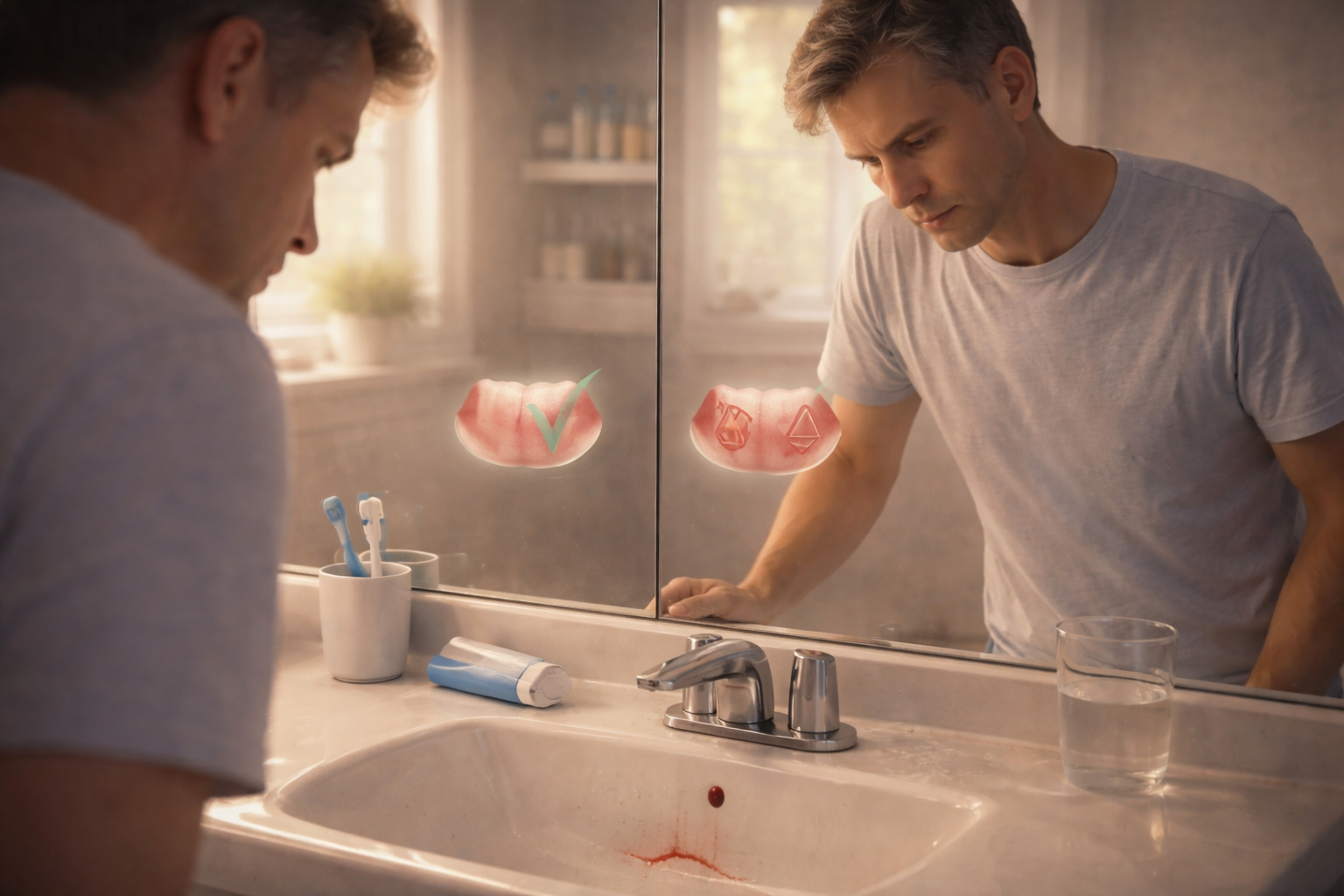
I had just finished brushing my teeth—same routine, same rushed two minutes, same distracted thoughts about everything else I needed to do. But when I rinsed and looked at myself in the mirror, something felt off. My teeth didn’t feel as clean as I expected. Not dirty, exactly—just… unfinished. Like I had skimmed the surface but missed the deeper layers.
That was the first time I questioned something so ordinary.
A few days later, I found myself wandering through the dental care aisle at a store, not really planning to buy anything. But I paused longer than usual. There were rows of toothbrushes—manual ones in every color imaginable, and then electric ones that looked surprisingly advanced, almost like tiny machines from the future. Some promised better cleaning, others claimed to protect gums, whiten teeth, or reach places a regular brush couldn’t.
I picked one up, then another. For the first time, I realized how little thought I had given to something I used every single day.
That moment marked the beginning of a small but meaningful change.
The Subtle Power of Small Upgrades
We often think that meaningful change comes from big decisions—moving to a new city, starting a new job, changing our routines completely. But sometimes, it’s the smallest upgrades that quietly reshape our daily experience.
Upgrading your toothbrush might sound insignificant. It doesn’t have the drama of a major life decision. But when you think about it, brushing your teeth is something you do twice a day, every day. Over time, those minutes add up—not just in quantity, but in impact.
When I finally decided to try a better toothbrush—an electric one, in my case—I didn’t expect much. I thought it would be a slightly improved version of what I already had. But the first time I used it, I noticed something different immediately.
It wasn’t just the vibration or the motion. It was the feeling afterward. My teeth felt smoother, cleaner, like I had actually done a more thorough job without even trying harder. It was as if the tool itself was guiding me, doing part of the work I used to rush through.
That’s when I realized: sometimes, we’re not lazy—we’re just using the wrong tools.
Rethinking What “Good Enough” Means
For years, my standard for brushing my teeth was simple: as long as I brushed twice a day and didn’t have any obvious problems, I assumed everything was fine. “Good enough” was enough.
But upgrading my toothbrush made me rethink that mindset.
What else in my life had I labeled as “good enough” simply because I hadn’t experienced anything better?
It’s easy to settle into habits that feel comfortable, even if they’re not optimal. A basic toothbrush works, just like many other basic things in life. But “working” and “working well” are not the same.
A better toothbrush doesn’t just clean your teeth more effectively—it changes how you approach the act of brushing. You become more aware. More intentional. You spend a little more time, not because you have to, but because the experience feels different.
It’s no longer a chore you rush through. It becomes a small act of care.
The Experience of Care
One of the most unexpected things about upgrading my toothbrush was how it changed the emotional side of a simple routine.
Before, brushing my teeth felt like checking a box. Something to get done before moving on to more important things. But with a better toothbrush, the experience slowed me down in a subtle way.
There’s something almost meditative about standing there, focusing on the movement, the sensation, the rhythm. For those two minutes, I wasn’t thinking about deadlines or notifications or everything else pulling at my attention. I was just… present.
And in a world where everything moves fast, those small moments of presence matter more than we realize.
Taking care of your teeth isn’t just about hygiene—it’s about how you treat yourself in the quiet, everyday moments. It’s about whether you rush through them or give them the attention they deserve.
Long-Term Impact You Don’t See Right Away
Another thing I didn’t fully appreciate before upgrading my toothbrush was how much dental care is about the long game.
You don’t always see the immediate consequences of brushing poorly. It’s not like skipping one session suddenly causes a problem. But over time, small habits build up. They either protect you or slowly work against you.
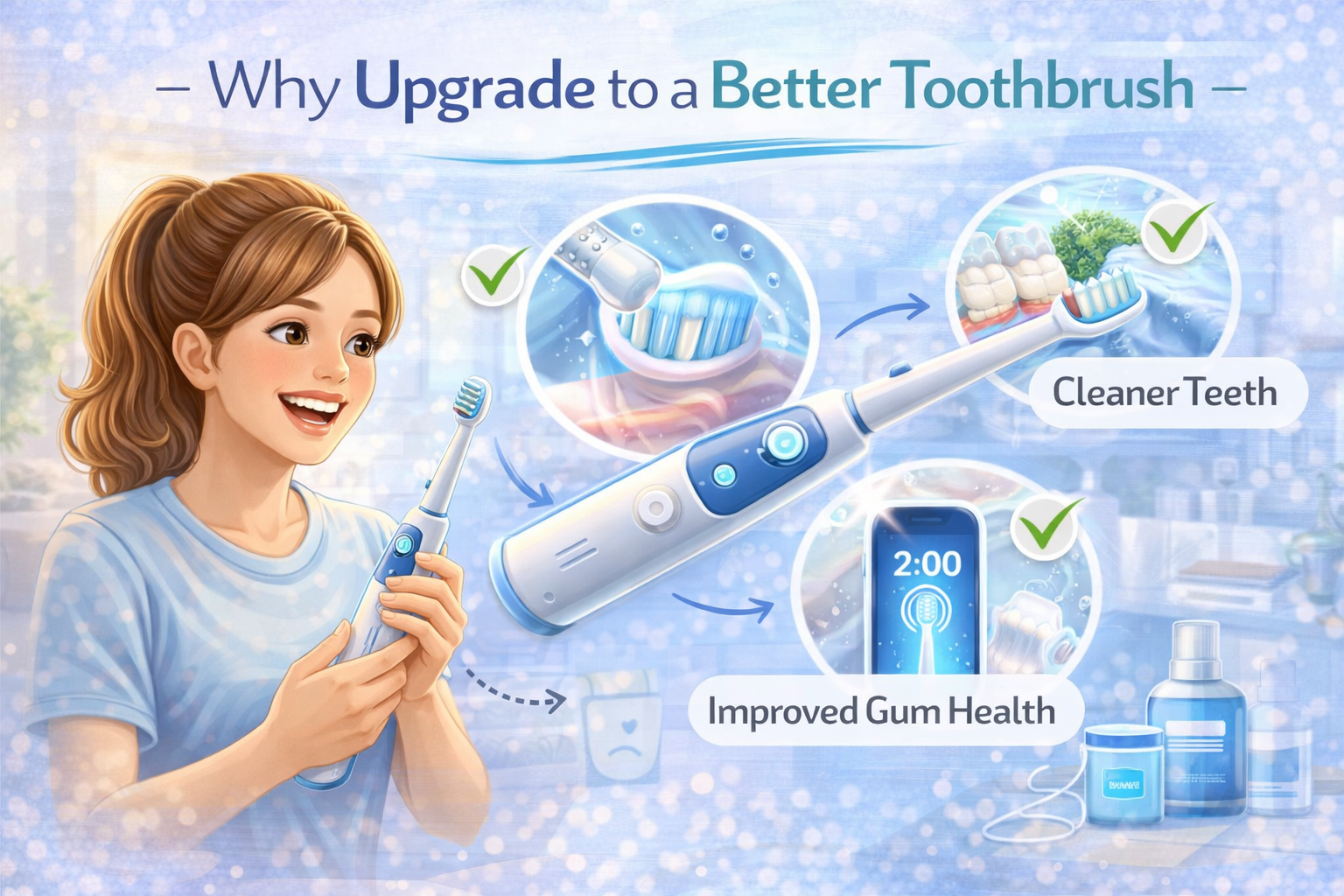
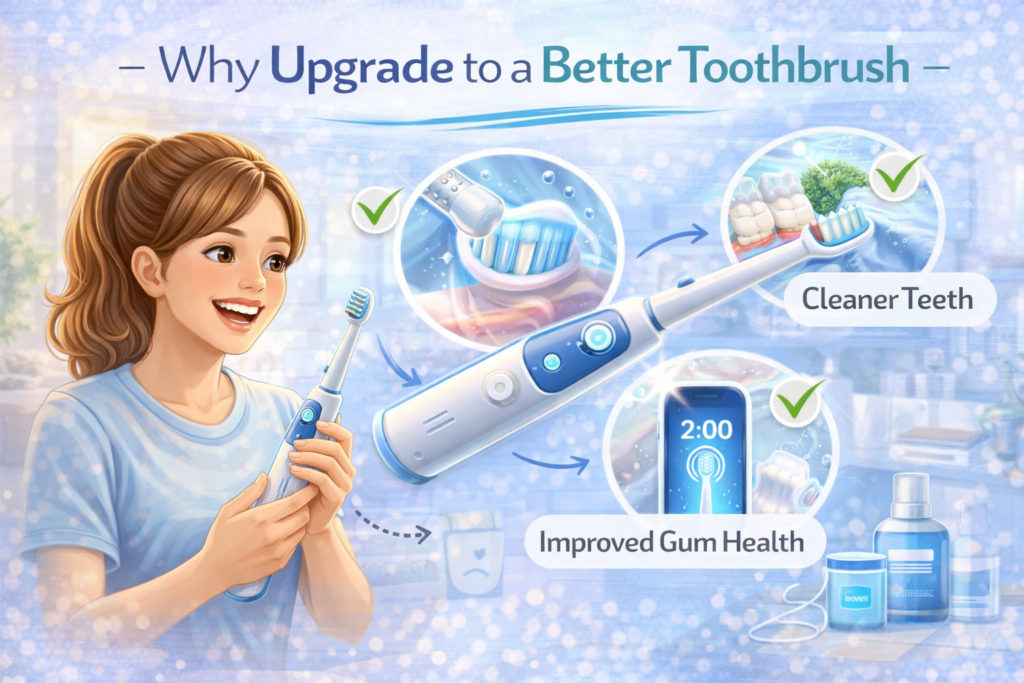
A better toothbrush helps you build stronger habits without requiring more effort. It reaches areas you might miss, applies consistent pressure, and often even includes timers to make sure you’re brushing long enough.
At first, these features might feel unnecessary. But over weeks and months, they make a difference you can feel—and more importantly, a difference your dentist can see.
It’s like investing in something quietly, without expecting instant results, but knowing it will pay off later.
Breaking the Cycle of Neglect
There’s a pattern many of us fall into: we ignore something until it becomes a problem.
With dental care, that often means waiting until there’s pain, discomfort, or a dentist appointment reminding us that we should have done better. Upgrading your toothbrush is a way of breaking that cycle before it starts.
It’s a small decision that says, “I’m going to take this seriously now, not later.”
And that mindset doesn’t stay limited to your toothbrush. It spreads. You start paying more attention to other small habits—how you eat, how you rest, how you take care of yourself in general.
It’s not about perfection. It’s about awareness.
The Cost vs. Value Question
One of the reasons I avoided upgrading for so long was simple: cost.
Why spend more on something when the cheaper version “works”?
But over time, I started to see it differently. It wasn’t just about the price of the toothbrush—it was about the value it added to my daily life.
If something improves an activity you do every single day, even slightly, that improvement multiplies over time. It’s not just a one-time benefit; it’s a repeated experience.
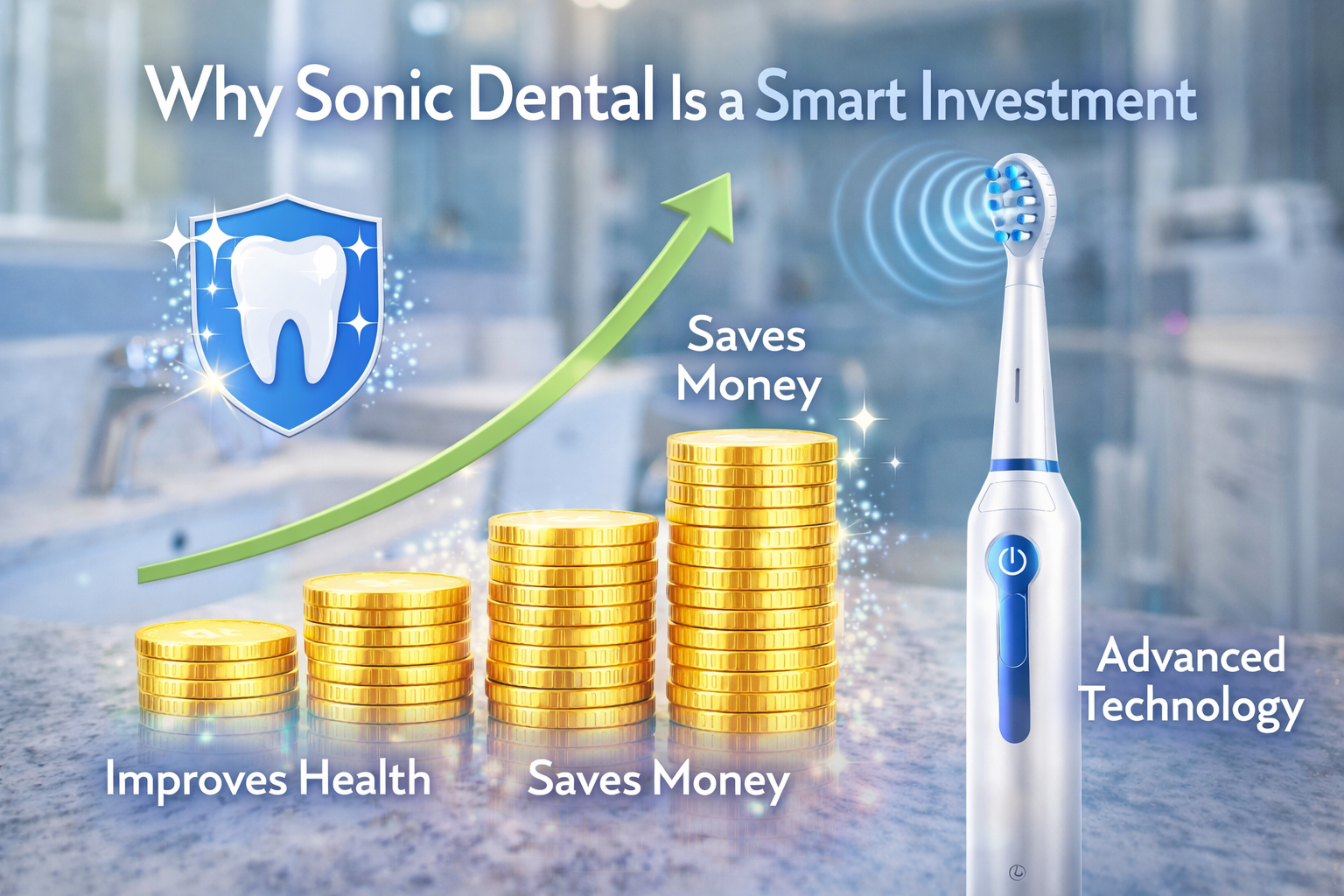
When I thought about it that way, the decision felt less like spending and more like investing.
A Small Change That Stays With You
Looking back, upgrading my toothbrush didn’t transform my life overnight. It didn’t solve all my problems or suddenly make me a completely different person.
But it did something quieter—and in many ways, more meaningful.
It changed how I approached a small, everyday habit. It reminded me that even the most ordinary parts of life can be improved, rethought, and experienced differently.
And maybe that’s the real reason to upgrade to a better toothbrush.
Not just for cleaner teeth, healthier gums, or fewer dental issues—though those are all important. But because it’s a reminder that small changes matter. That taking better care of yourself doesn’t always require big, dramatic shifts.
Sometimes, it starts with something as simple as the way you brush your teeth.
Final Thoughts
If you’re still using the same kind of toothbrush you’ve always used, it might be worth asking yourself why.
Not in a critical way—but in a curious one.
What would it feel like to try something better?
What small improvement might you notice, not just in your teeth, but in how you experience your daily routine?
Upgrading your toothbrush isn’t about following a trend or buying something fancy. It’s about choosing to care a little more, to pay attention a little longer, and to treat even the smallest parts of your life as something worth improving.
And sometimes, that’s where the most meaningful changes begin.