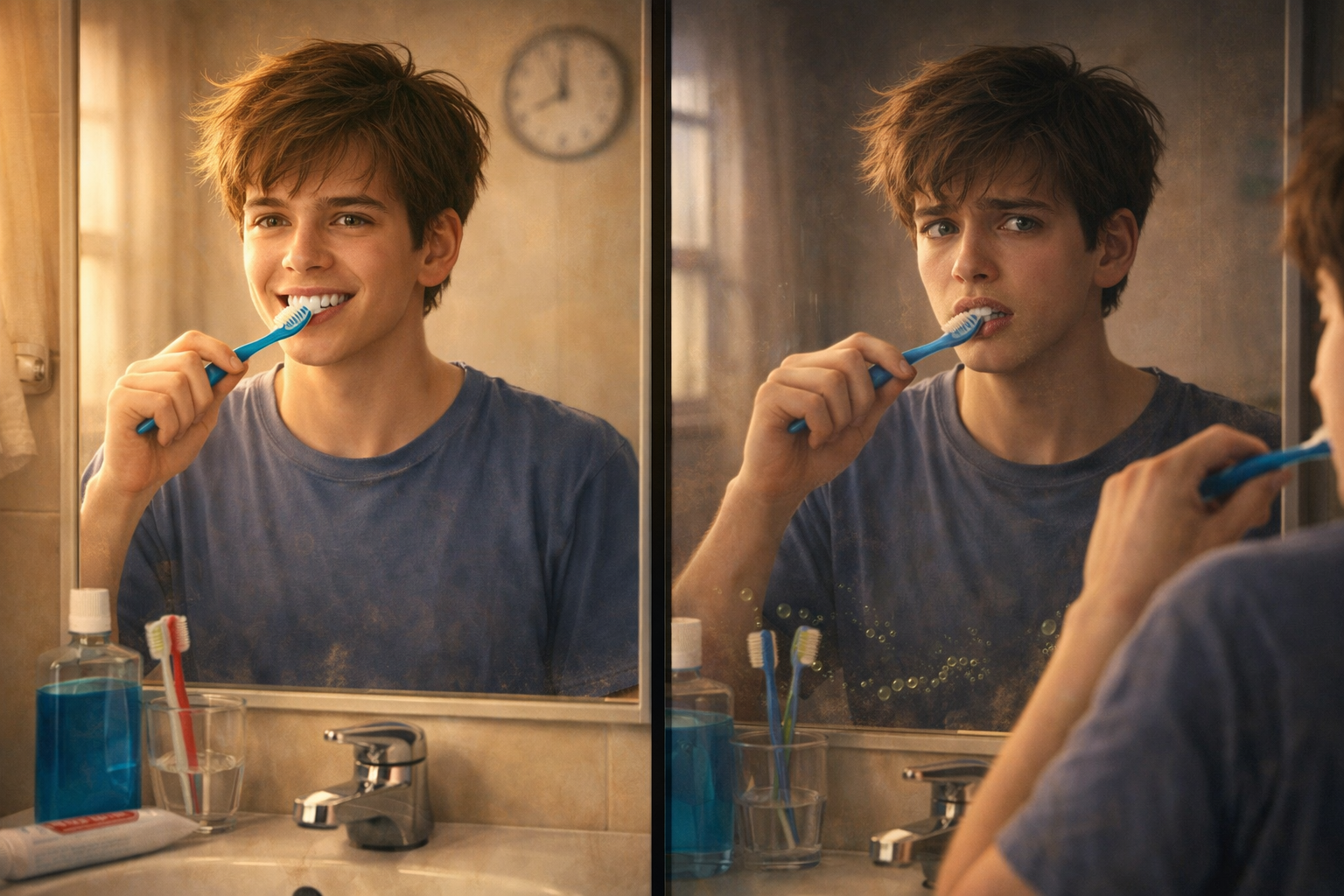
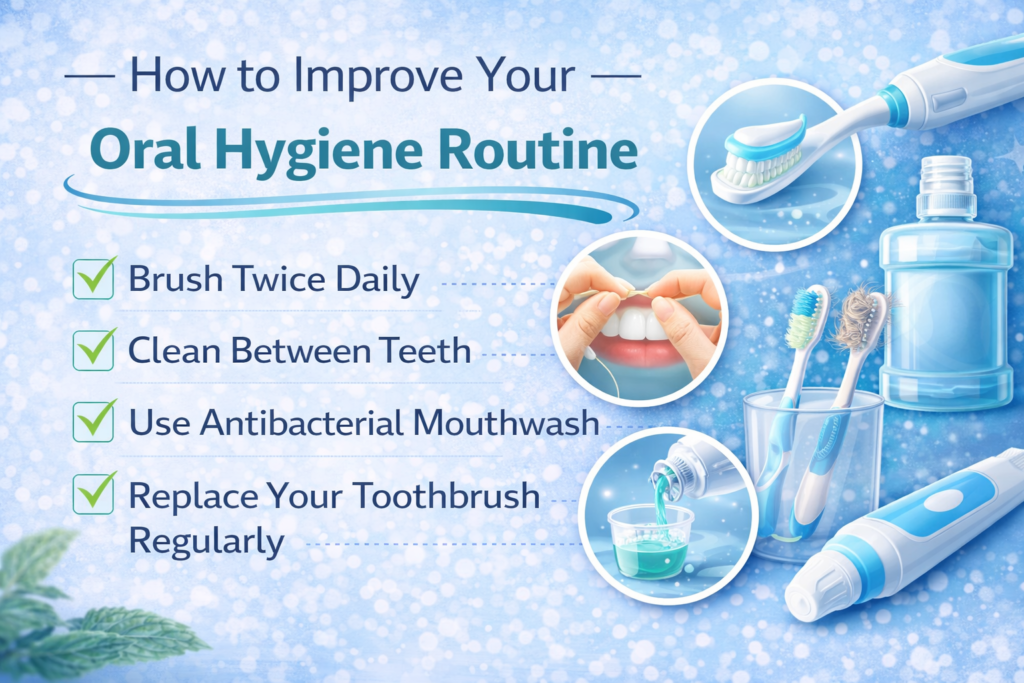
When I first started paying attention to my oral hygiene, it wasn’t because I suddenly developed a passion for minty toothpaste or the science of gums and enamel. It actually began with a quiet moment of embarrassment. I remember sitting in class, talking to a friend, and noticing the subtle way they leaned back—not dramatically, not rudely, just enough for me to question myself. That small moment stayed with me longer than I expected. It made me realize that oral hygiene isn’t just about health; it’s also deeply tied to confidence, comfort, and how we show up in the world.
So I decided to change things—but not overnight, and definitely not perfectly.
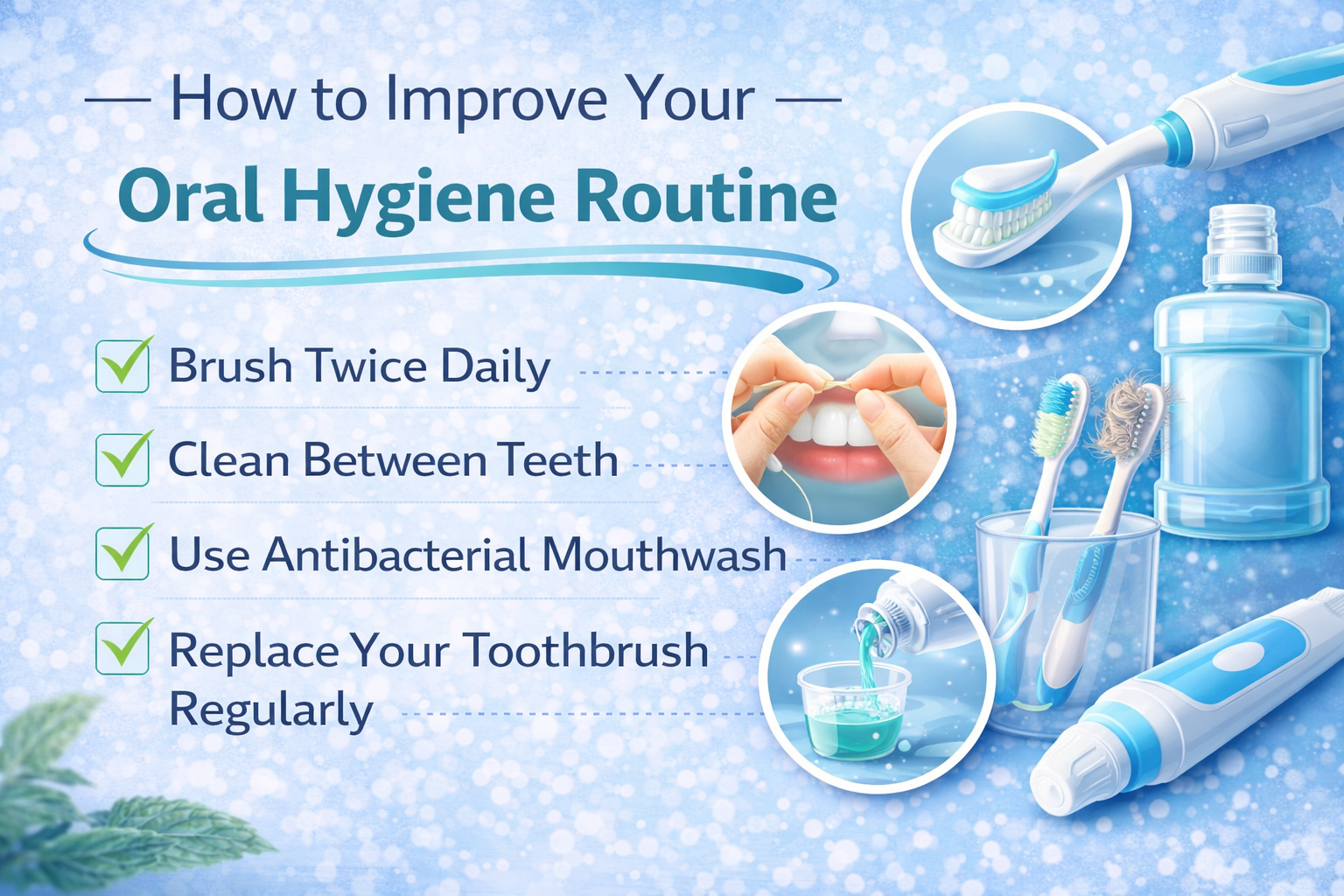
At first, my routine was as basic as it gets: brushing twice a day, usually in a rush, sometimes skipping floss because it felt unnecessary or time-consuming. Like a lot of people, I thought brushing alone was enough. After all, if your teeth look clean in the mirror, what more could there be?
But over time, I learned that oral hygiene is less about what you see and more about what you don’t.
The first real shift came when I visited a dentist after a long gap. I expected a quick check-up and maybe a lecture about brushing more carefully. Instead, I got something more useful: an explanation. The dentist showed me areas where plaque builds up—tiny spaces between teeth, along the gumline—places my toothbrush barely touched. It wasn’t dramatic or scary, just eye-opening. For the first time, I understood that brushing is only part of the story.
That’s when flossing entered my life—not as a chore, but as a discovery.
I won’t pretend it was easy to build the habit. The first week felt awkward. My fingers didn’t quite cooperate, and I questioned whether it was even worth the effort. But something interesting happened: after a few days, I began to notice a difference. My mouth felt… cleaner. Not just “fresh” like after using mouthwash, but genuinely clean in a deeper, more satisfying way. It was subtle, but enough to keep me going.
Gradually, my routine evolved—not by adding everything at once, but by layering small changes over time.
One of the most important lessons I learned was to slow down. Brushing your teeth isn’t supposed to be a race. I used to spend maybe 30 seconds brushing, thinking that was enough. Now, I take my time—about two minutes, sometimes a little more if I feel like I’ve missed spots. I pay attention to each section of my mouth, moving gently but deliberately. It almost feels meditative, like a small moment of care in an otherwise busy day.
Another change was choosing the right tools.
Before, I would just grab any toothbrush without thinking much about it. But switching to a soft-bristled brush made a noticeable difference. It felt gentler on my gums, and over time, I realized that being aggressive doesn’t mean being effective. In fact, brushing too hard can do more harm than good. It took me a while to unlearn that instinct—to trust that gentle, consistent brushing works better than force.
Toothpaste also became more than just a random pick. I started paying attention to ingredients like fluoride and what they actually do. It wasn’t about buying the most expensive product, but about understanding what my teeth needed.
Then came mouthwash—not as a replacement for brushing or flossing, but as a finishing touch. I learned that it can reach areas that brushing might miss, but it’s not a magic solution. Used properly, it complements your routine rather than replacing any part of it.
Of course, improving oral hygiene isn’t just about what happens in front of the sink.
It’s also about the choices you make throughout the day.
I began to notice how often I reached for sugary snacks or drinks without thinking. It wasn’t about cutting everything out completely—that kind of restriction rarely lasts—but about being more aware. Drinking water after meals, limiting how often I snack, and not going to bed without brushing all became part of a bigger picture. These small decisions add up in ways you don’t immediately see, but definitely feel over time.
One habit that surprised me the most was cleaning my tongue.
It sounds like a minor detail, something easy to overlook. But once I started doing it regularly, I realized how much it contributes to overall freshness. It’s one of those things you don’t think about until you try it—and then you wonder how you ever skipped it.
As my routine improved, something else changed too: my mindset.
Oral hygiene stopped feeling like an obligation and started feeling like a form of self-respect. It became a quiet signal to myself that I care about my health, my comfort, and how I interact with others. It’s not about perfection or impressing anyone—it’s about consistency and intention.
There were still days when I felt lazy, of course. Nights when I just wanted to collapse into bed and skip everything. And sometimes, I did. But instead of giving up or feeling guilty, I learned to simply start again the next day. Progress isn’t about never slipping—it’s about not staying stuck.
Another important part of the journey was regular dental visits.
For a long time, I avoided them unless something felt wrong. But I’ve come to see them differently now—not as something to fear, but as a form of maintenance. Just like you wouldn’t ignore a small issue with something important, it makes sense to check in regularly and catch problems early.
What surprised me most is how these small habits ripple into other areas of life.
When you take care of your oral hygiene, you become more aware of your overall health. You notice patterns, make better choices, and develop a stronger sense of discipline. It’s not dramatic or life-changing overnight—but it’s steady, reliable growth.
If there’s one thing I’ve learned through all of this, it’s that improving your oral hygiene routine isn’t about doing everything perfectly from day one. It’s about paying attention, making small adjustments, and building habits that fit naturally into your life.
You don’t need a complicated system or expensive products. You just need consistency, a bit of patience, and the willingness to learn what works for you.
And maybe, like me, it starts with a small moment—a realization, a question, or even a little bit of discomfort. But if you follow that moment with action, even in small steps, it can lead to something bigger.
Not just cleaner teeth, but a quieter kind of confidence—the kind that doesn’t need to be announced, because you can feel it every time you smile, speak, or simply show up as yourself.