
I didn’t realize how closely my mind and my mouth were connected until a particularly overwhelming semester. It wasn’t just the looming deadlines or the pressure of expectations—it was the quiet, constant tension that followed me everywhere. At first, I thought I was managing it well. I was still showing up, still getting things done. But my body had a different story to tell—one that began, strangely enough, inside my mouth.
It started with something small. I noticed my jaw felt sore when I woke up. I brushed it off, assuming I had slept in a weird position. But then came the headaches—dull, persistent, sitting right at my temples. Soon after, my teeth became sensitive, especially when I drank something cold. I remember pausing one morning, toothbrush in hand, wondering why something so routine suddenly felt uncomfortable.
That’s when I learned about teeth grinding, also known as bruxism. Stress has a way of sneaking into our habits, especially the ones we don’t even realize we have. For many people, stress shows up at night, when the body tries to process everything the mind couldn’t handle during the day. The result? Clenching jaws and grinding teeth without even knowing it.
The more I paid attention, the more signs I noticed. My gums felt irritated. Occasionally, they would bleed when I brushed. It wasn’t dramatic, but it was enough to make me uneasy. A quick search—and later, a dentist visit—confirmed what I had begun to suspect: stress doesn’t just live in your thoughts. It leaves physical marks, and oral health is one of its quiet victims.
The Hidden Link Between Stress and Oral Health
Stress affects the body in complex ways. When you’re stressed, your body releases hormones like cortisol, which are helpful in short bursts but harmful when they linger for too long. Elevated cortisol levels can weaken your immune system, making it harder for your body to fight off infections—including those in your gums.
This is why people under chronic stress are more likely to develop gum disease. It often starts subtly, with redness or slight bleeding, but can progress if left untreated. The frustrating part is that it doesn’t always feel urgent, so it’s easy to ignore—until it isn’t.
But that’s not all.
Stress also changes behavior. And sometimes, those behavioral changes are what cause the most damage.
When Stress Changes Your Habits
During that same stressful period, my routine began to shift. I stayed up later, woke up more tired, and started skipping small things—like flossing. It didn’t feel like a big deal at the time. Just one night missed, then another. But those small decisions added up.
Stress can lead to:
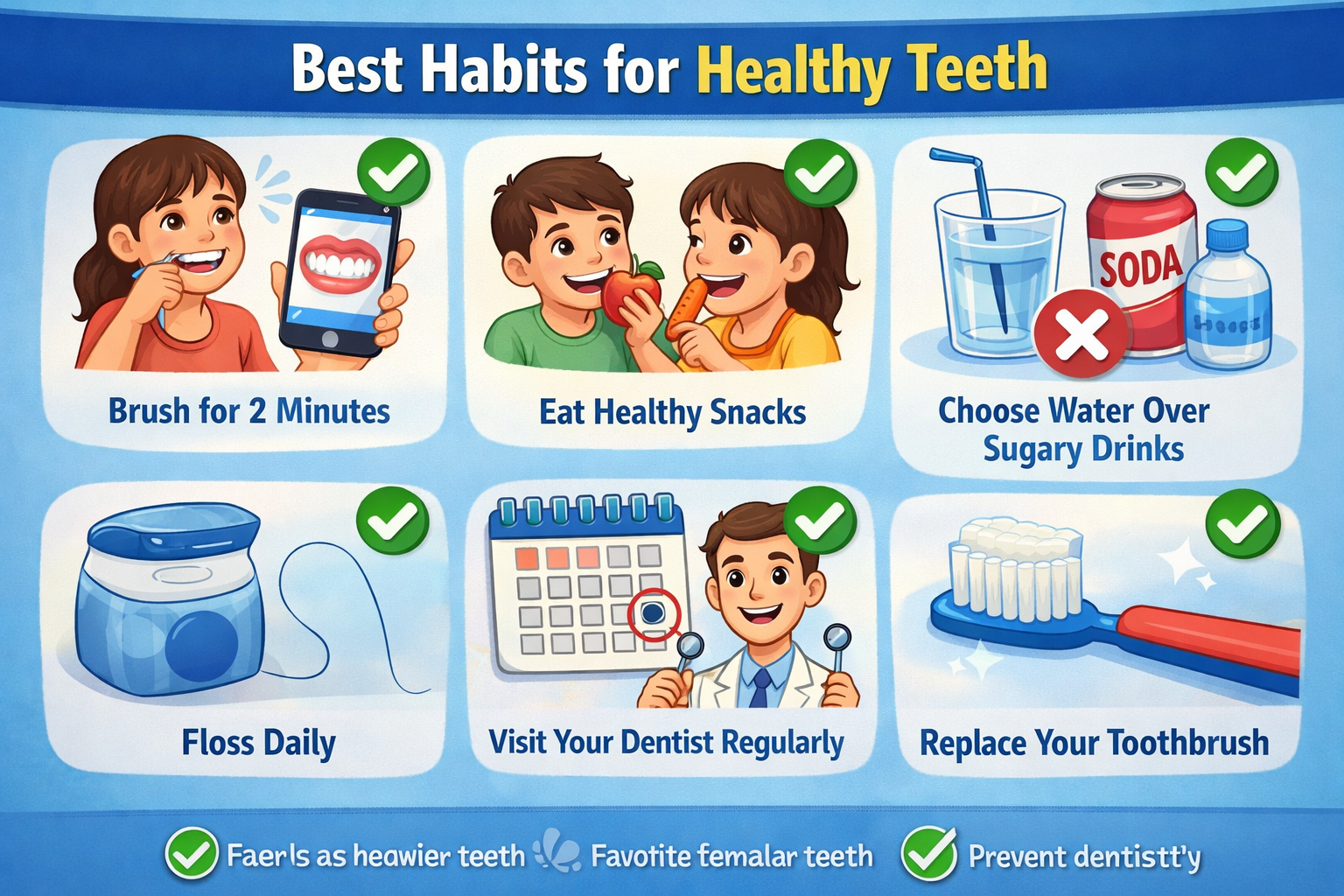
- Neglecting oral hygiene (brushing less thoroughly or skipping flossing)
- Eating more sugary or acidic foods for comfort
- Drinking less water
- Increased consumption of caffeine or soda
I remember reaching for snacks more often, especially late at night. It felt like a reward, a break, something to get me through. But those frequent snacks, especially sugary ones, created the perfect environment for bacteria in my mouth to thrive.
And then there’s dry mouth.
The Role of Dry Mouth
Stress can reduce saliva production. At first, that might not seem like a big deal. But saliva plays a crucial role in keeping your mouth healthy. It helps wash away food particles, neutralizes acids, and protects your teeth from decay.
Without enough saliva, your mouth becomes more vulnerable. Bacteria can multiply more easily, increasing the risk of cavities and bad breath.
I noticed this during long days when I barely drank water. My mouth felt dry, almost sticky, and no matter how much gum I chewed, it didn’t fully go away. It was another subtle signal that something wasn’t right.
Mouth Sores and Sensitivity
One of the more surprising things I experienced was recurring mouth sores. Small, painful spots that made eating uncomfortable. At first, I thought it was something I ate. But they kept coming back.
Stress weakens the body’s ability to heal and defend itself, which can trigger these kinds of issues. For some people, stress can also worsen existing conditions, like canker sores or sensitivity.
It’s strange how something emotional can manifest so physically. You don’t always connect the two right away. But once you see the pattern, it becomes hard to ignore.
The Emotional Cycle
What made it more complicated was the cycle it created.
Stress affected my oral health, and then those oral health issues added another layer of stress.
I worried about my teeth, about dentist visits, about whether I had done something wrong. That worry didn’t help—it just fed the cycle. And I realized that taking care of my oral health wasn’t just about brushing and flossing. It was also about managing the stress that was causing the problem in the first place.
Breaking the Pattern
Change didn’t happen overnight. It started with small adjustments.
I began paying more attention to my habits. Not in a strict or punishing way, but in a curious one. I asked myself simple questions:
- Did I drink enough water today?
- Did I rush through brushing, or take my time?
- Am I clenching my jaw right now?
That last one surprised me the most. I caught myself clenching my teeth during the day, especially when I was focused or anxious. Once I noticed it, I could start to relax my jaw consciously.
I also made my oral care routine feel less like a chore. Instead of rushing through it, I treated it as a pause in my day—a moment to slow down. It sounds small, but it made a difference.
Practical Ways to Protect Your Oral Health from Stress
If there’s one thing I’ve learned, it’s that you don’t need to overhaul your entire life to see improvement. Small, consistent actions can go a long way.
Here are a few that helped me:
1. Stay consistent with oral hygiene
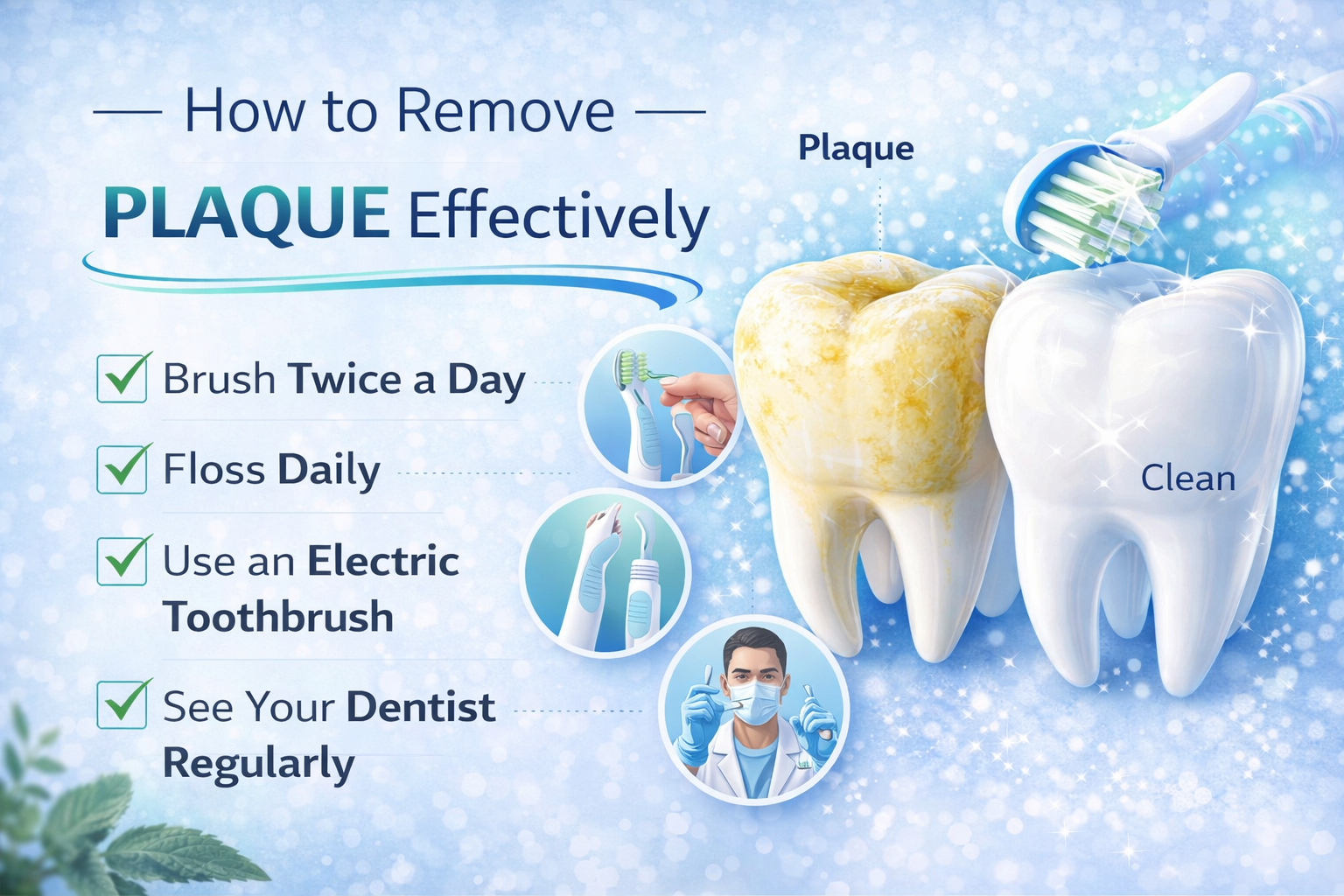
Even on busy days, brushing twice and flossing once can make a big difference. It’s one of the simplest ways to protect your teeth.
2. Be mindful of jaw tension
Check in with yourself throughout the day. If your jaw feels tight, try to relax it. Gentle stretches or simply unclenching can help.
3. Drink more water
Keeping your mouth hydrated supports saliva production and overall oral health.
4. Limit sugary snacks during stressful periods
It’s okay to seek comfort, but being aware of how often you snack can help reduce risk.
5. Get enough rest
Sleep plays a huge role in both stress management and physical health, including your mouth.
6. Talk to a dentist if something feels off
Early signs are easier to manage. There’s no need to wait until something becomes painful.
A Different Perspective
Looking back, I don’t see that stressful period as just a negative experience. It taught me something important—that the body doesn’t separate mental and physical health the way we often do.
Your mouth, in particular, can be a quiet messenger. It reflects what’s happening beneath the surface, sometimes before you fully recognize it yourself.
Now, when I feel that familiar tension creeping in, I pay closer attention—not just to my thoughts, but to the small physical signs. A tight jaw. A dry mouth. A skipped routine.
They’re not just inconveniences. They’re signals.
Final Thoughts
Stress is unavoidable. It’s part of life. But how we respond to it—and how we care for ourselves during those times—can make all the difference.
Oral health might not be the first thing that comes to mind when you think about stress, but it’s deeply connected. And sometimes, taking care of your teeth is also a way of taking care of your mind.
Because in the end, it’s not just about having a healthy smile.
It’s about understanding the story your body is trying to tell—and learning how to listen.